

Metal fabrication is a highly skilled and precise process that involves shaping, cutting, and joining metal materials to create various structures and products. One of the essential tools in this field is the G clamp, a versatile and reliable clamping device that provides a secure hold for metal pieces during fabrication. As a trusted G clamp supplier, I'm here to share valuable insights on how to effectively use a G clamp for metal fabrication.
Understanding the G Clamp
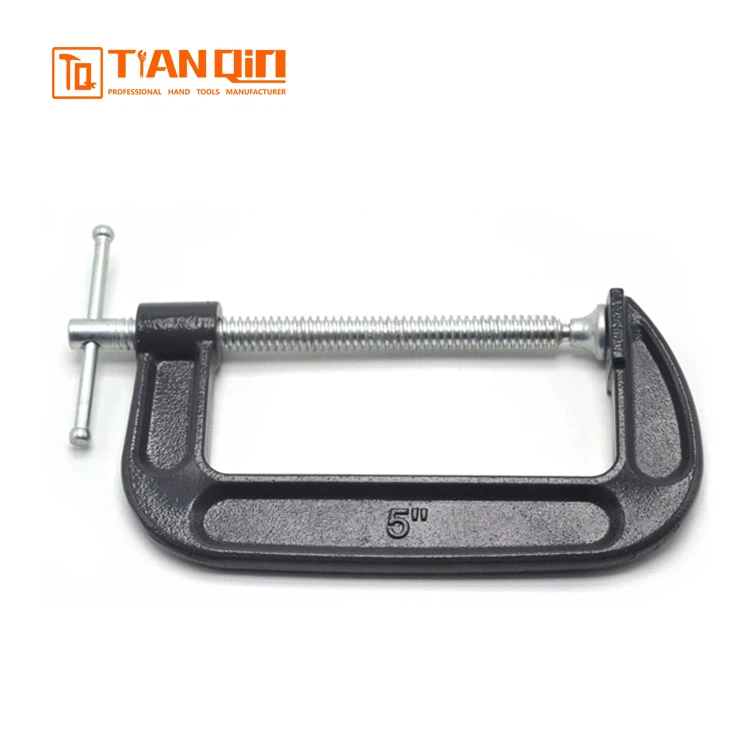
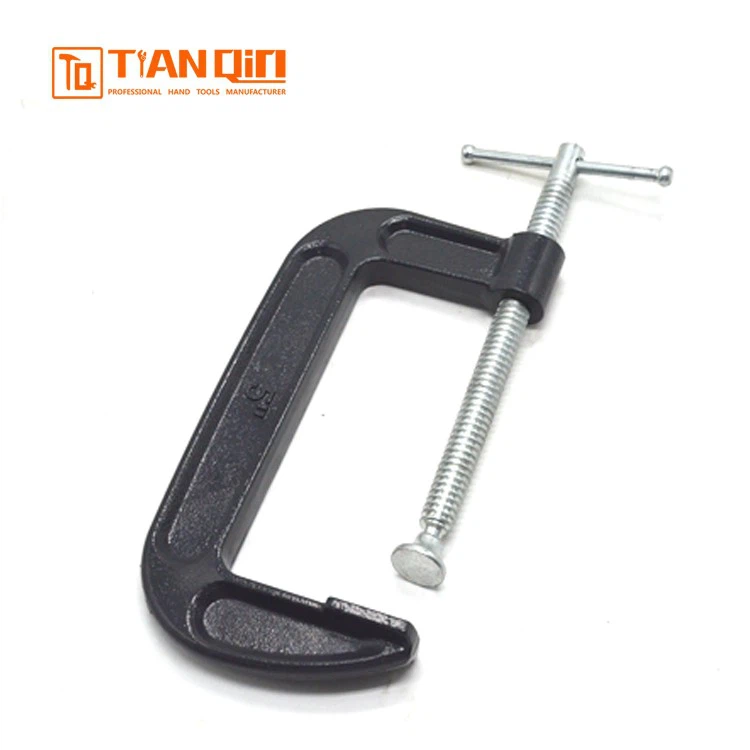
Before delving into the usage, it's crucial to understand the basic components of a G clamp. A typical G clamp consists of a C-shaped frame, a threaded screw, and a movable jaw. The frame provides the structure and support, while the screw is used to adjust the position of the movable jaw. By turning the screw clockwise, the jaw moves towards the fixed end, tightening the clamp around the workpiece. Conversely, turning the screw counterclockwise loosens the clamp.
Selecting the Right G Clamp
The first step in using a G clamp for metal fabrication is selecting the appropriate one for the task at hand. G clamps come in various sizes and capacities, so it's essential to choose a clamp that can handle the size and weight of the metal pieces you're working with. For smaller projects, a 2'' G Clamp may be sufficient, while larger and heavier materials may require a 3'' G Clamp. Additionally, consider the quality of the clamp. Investing in a High Quality G Clamp ensures durability and reliable performance, which is crucial for long-term use in metal fabrication.
Preparing the Workpiece
Once you've selected the right G clamp, it's time to prepare the workpiece. Clean the surfaces of the metal pieces to remove any dirt, debris, or rust that could affect the clamping process. This ensures a secure and stable hold. If necessary, use a wire brush or sandpaper to clean the surfaces thoroughly. Additionally, make sure the metal pieces are properly aligned and positioned before clamping. This helps prevent any misalignment or movement during the fabrication process.
Positioning the G Clamp
Proper positioning of the G clamp is essential for effective clamping. Place the clamp on the workpiece in a way that provides maximum support and stability. The fixed jaw of the clamp should be placed against a flat and stable surface of the metal piece, while the movable jaw should be positioned opposite the fixed jaw. Make sure the clamp is centered and aligned with the workpiece to ensure even pressure distribution.
Tightening the G Clamp
After positioning the G clamp, it's time to tighten it. Use a wrench or a clamp key to turn the screw clockwise. Apply gradual and even pressure to avoid over-tightening, which could damage the workpiece or the clamp. As you tighten the clamp, check the alignment of the workpiece to ensure it remains in place. Continue tightening the clamp until the workpiece is securely held in place.
Using Multiple G Clamps
In some cases, a single G clamp may not provide sufficient support for the workpiece. For larger or more complex projects, it may be necessary to use multiple G clamps. When using multiple clamps, make sure they are evenly spaced and positioned to distribute the pressure evenly across the workpiece. This helps prevent any warping or distortion of the metal pieces during the fabrication process.
Safety Precautions
When using a G clamp for metal fabrication, it's important to follow safety precautions to prevent accidents and injuries. Always wear appropriate safety gear, such as safety glasses and gloves, to protect your eyes and hands from metal shavings and sharp edges. Additionally, make sure the work area is well-lit and free of clutter to avoid tripping hazards. When tightening or loosening the clamp, use the appropriate tools and apply force carefully to avoid slipping or losing control of the clamp.
Maintenance and Care
Proper maintenance and care of your G clamp are essential to ensure its longevity and reliable performance. After each use, clean the clamp to remove any dirt, debris, or metal shavings. Lubricate the screw and moving parts of the clamp regularly to prevent rust and corrosion. Store the clamp in a dry and secure place to protect it from damage.
Conclusion
Using a G clamp for metal fabrication is a straightforward process that requires careful selection, proper positioning, and correct tightening. By following these guidelines, you can ensure a secure and stable hold for your metal pieces during the fabrication process. As a G clamp supplier, I'm committed to providing high-quality clamping tools that meet the needs of metal fabricators. If you're interested in purchasing G clamps for your metal fabrication projects, I invite you to reach out to me for more information and to discuss your specific requirements. I'm here to help you find the right clamping solutions for your needs.
References
- Metal Fabrication Handbook
- Clamping Tools: A Guide to Selection and Use