

Measuring the pressure of a grease gun is a crucial aspect for both users and suppliers. As a grease gun supplier, understanding how to accurately measure this pressure is essential for ensuring the quality and performance of our products. In this blog, we'll delve into the methods of measuring grease gun pressure, the importance of it, and how it relates to the different types of grease guns we offer, such as the 500cc Grease Gun, Double Pressure Grease Gun, and Plastic Box Double Pressure Grease Gun.
Why Measuring Grease Gun Pressure Matters
The pressure of a grease gun determines its ability to deliver grease effectively to the lubrication points. Different applications require different levels of pressure. For example, in heavy - duty industrial machinery, a higher pressure is often needed to force the grease into tight spaces and overcome the resistance of the components. If the pressure is too low, the grease may not reach all the necessary parts, leading to insufficient lubrication, increased wear and tear, and potential breakdowns. On the other hand, if the pressure is too high, it can cause damage to the seals and other components in the lubrication system.
Tools for Measuring Grease Gun Pressure
-
Pressure Gauges: One of the most common tools for measuring grease gun pressure is a pressure gauge. There are two main types of pressure gauges used in this context: mechanical and digital.
- Mechanical Pressure Gauges: These gauges work based on the principle of mechanical deformation. A Bourdon tube, which is a curved tube that straightens when pressure is applied, is a common component in mechanical pressure gauges. As the pressure from the grease gun acts on the Bourdon tube, it causes a movement that is translated into a reading on the gauge's dial. Mechanical gauges are relatively simple, durable, and do not require a power source. However, they may have a lower level of accuracy compared to digital gauges.
- Digital Pressure Gauges: Digital gauges use electronic sensors to measure pressure. They convert the pressure into an electrical signal, which is then processed and displayed as a numerical value on a digital screen. Digital gauges offer higher accuracy, often with a resolution that can measure small changes in pressure. They may also have additional features such as data logging, which can be useful for monitoring pressure over time. However, they are more expensive and require a power source, such as batteries.
-
Pressure Transducers: Pressure transducers are another option for measuring grease gun pressure. They work by converting the pressure into an electrical signal, similar to digital pressure gauges. However, pressure transducers are often used in more complex systems where the pressure data needs to be integrated with other control or monitoring systems. For example, in an automated lubrication system, a pressure transducer can provide real - time pressure information to a central control unit, which can then adjust the operation of the grease gun as needed.
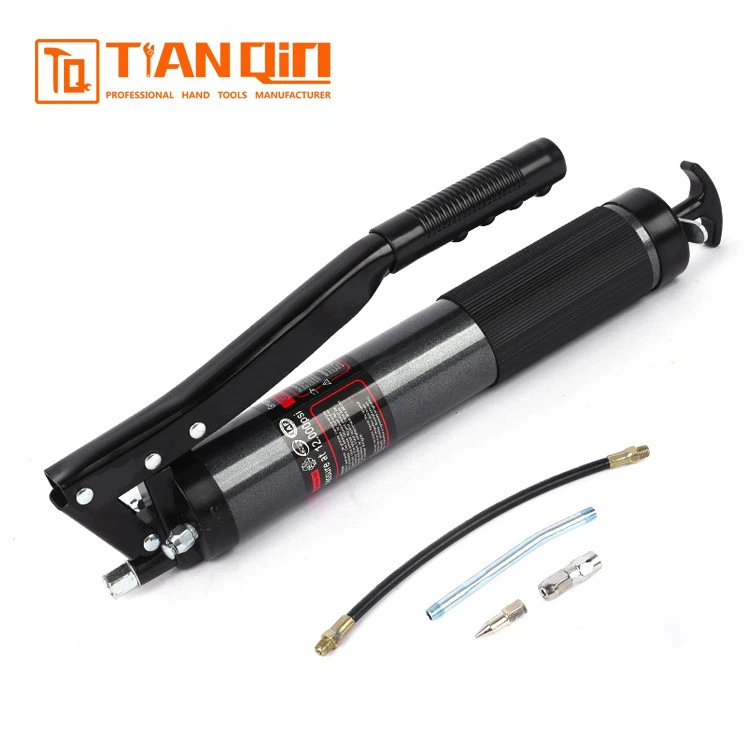
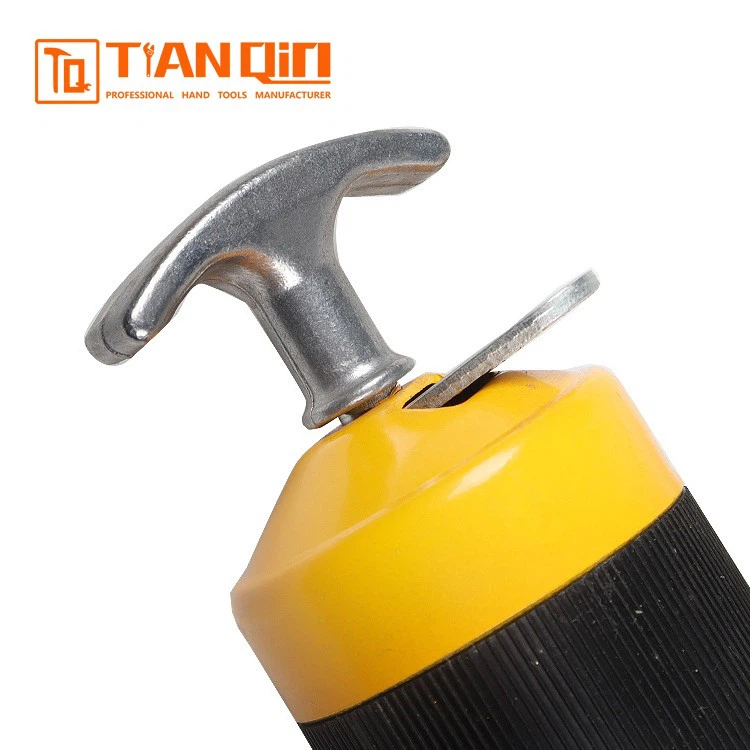
Measuring the Pressure of a Grease Gun
- Pre - measurement Preparation:
- Choose the Right Tool: Select a pressure gauge or transducer that is suitable for the expected pressure range of the grease gun. Make sure the tool is calibrated correctly. Calibration is crucial for accurate measurements. You can calibrate the gauge or transducer using a known pressure source or by sending it to a professional calibration service.
- Prepare the Grease Gun: Ensure that the grease gun is filled with the appropriate type of grease. Different greases have different viscosities, which can affect the pressure measurement. Make sure the grease gun is in good working condition, with no leaks or blockages in the barrel, hose, or nozzle.
- Connecting the Measuring Tool:
- For Pressure Gauges: If using a pressure gauge, connect it to the grease gun's outlet. There are usually adapters available to fit different types of grease gun outlets. Make sure the connection is tight to prevent any leakage of grease during the measurement.
- For Pressure Transducers: Connect the pressure transducer to the grease gun outlet in a similar way. Additionally, connect the transducer to the appropriate data acquisition or monitoring system if required.
- Taking the Measurement:
- Prime the Grease Gun: Before taking the measurement, prime the grease gun to remove any air from the system. This can be done by pumping the grease gun a few times until a continuous stream of grease is coming out of the nozzle.
- Apply Pressure: Slowly start pumping the grease gun while observing the pressure reading on the gauge or transducer. Keep pumping until the pressure stabilizes. The stable pressure reading is the actual pressure of the grease gun. Take multiple readings to ensure consistency and accuracy.
Factors Affecting Grease Gun Pressure
- Grease Viscosity: As mentioned earlier, the viscosity of the grease has a significant impact on the pressure. Higher - viscosity greases require more pressure to be pumped through the system. For example, a heavy - duty grease with a high NLGI (National Lubricating Grease Institute) grade will need a higher pressure compared to a lighter - grade grease.
- Length and Diameter of the Hose: The length and diameter of the grease gun hose can also affect the pressure. A longer hose will have more resistance, which can cause a drop in pressure between the gun and the lubrication point. Similarly, a smaller - diameter hose will increase the resistance and require a higher pressure to maintain the flow of grease.
- Nozzle Design: The design of the nozzle can influence the pressure. A nozzle with a smaller opening will increase the pressure at the tip, while a larger opening will reduce the pressure. Different applications may require different nozzle designs to achieve the optimal pressure at the lubrication point.
Measuring Pressure for Different Types of Grease Guns
- 500cc Grease Gun: The 500cc Grease Gun is a popular choice for medium - sized applications. When measuring its pressure, follow the same general procedures as described above. However, due to its relatively large capacity, it may require more pumping to build up the pressure. Make sure to take into account the volume of grease being displaced and the potential for pressure fluctuations during the pumping process.
- Double Pressure Grease Gun: The Double Pressure Grease Gun is designed to provide a higher pressure compared to standard grease guns. When measuring the pressure of a double - pressure grease gun, use a pressure gauge or transducer that can handle the higher pressure range. The double - pressure mechanism may require a different pumping technique to achieve the maximum pressure. Usually, it involves a two - stage pumping process, where the first stage builds up a lower pressure and the second stage increases the pressure further.
- Plastic Box Double Pressure Grease Gun: The Plastic Box Double Pressure Grease Gun combines the features of a double - pressure system with a plastic housing. When measuring its pressure, pay attention to the durability of the plastic components. Excessive pressure may cause damage to the plastic box, so it is important to ensure that the pressure is within the safe operating range of the gun.
Conclusion
Measuring the pressure of a grease gun is a vital step in ensuring its proper performance and the effectiveness of the lubrication process. By using the right tools, following the correct measurement procedures, and taking into account the various factors that affect pressure, both users and suppliers can ensure that the grease guns are operating at the optimal pressure.
As a grease gun supplier, we are committed to providing high - quality products. We understand the importance of accurate pressure measurement and can offer guidance on how to measure the pressure of our different types of grease guns. If you are interested in purchasing our grease guns or have any questions about pressure measurement, we encourage you to contact us for further discussion and procurement negotiation.
References
- "Lubrication Fundamentals" by the Society of Tribologists and Lubrication Engineers.
- "Handbook of Lubrication and Tribology, Volume I: Applications" edited by Bhushan, Bharat.