

As a seasoned suction cup supplier, I often encounter various inquiries from clients regarding the performance of our products in different environments. One question that frequently surfaces is whether suction cups can be used in low-temperature environments. In this blog post, I will delve into this topic, exploring the scientific aspects and practical considerations to provide a comprehensive answer.
The Basics of Suction Cups
Before we discuss the impact of low temperatures on suction cups, let's first understand how they work. Suction cups create a vacuum seal between the cup and the surface it adheres to. When the cup is pressed against a smooth surface, the air inside the cup is forced out, creating a pressure difference. The external atmospheric pressure then holds the cup firmly in place.
The effectiveness of a suction cup depends on several factors, including the material of the cup, the smoothness of the surface, and the force applied during installation. Different materials offer varying levels of flexibility, durability, and adhesion, which can all be affected by temperature.
Effects of Low Temperatures on Suction Cup Materials
Most suction cups are made from materials such as rubber, silicone, or plastic. Each of these materials responds differently to low temperatures.
Rubber Suction Cups
Rubber is a common material for suction cups due to its flexibility and strong adhesion. However, rubber becomes stiffer and less elastic in low temperatures. As the temperature drops, the rubber molecules lose their mobility, making the cup more brittle. This reduced flexibility can prevent the cup from forming a proper seal with the surface, leading to a decrease in suction strength.
In extreme cold, rubber suction cups may even crack or break, rendering them useless. For example, in environments where the temperature regularly drops below -20°C, rubber suction cups may not be a reliable option.
Silicone Suction Cups
Silicone is known for its excellent temperature resistance compared to rubber. It can maintain its flexibility and elasticity over a wide range of temperatures, including low temperatures. Silicone suction cups can typically withstand temperatures as low as -40°C without significant loss of performance.
The molecular structure of silicone allows it to remain pliable even in cold conditions, enabling it to form a tight seal with the surface. This makes silicone suction cups a popular choice for applications in low-temperature environments, such as refrigeration units or outdoor equipment used in cold climates.
Plastic Suction Cups
Plastic suction cups come in various types, each with its own temperature characteristics. Some plastics, like polycarbonate or acrylonitrile butadiene styrene (ABS), can become brittle in low temperatures. Similar to rubber, the reduced flexibility of these plastics can lead to a poor seal and decreased suction strength.
However, there are also plastics specifically designed for low-temperature use. These materials are formulated to maintain their toughness and flexibility in cold conditions. When choosing plastic suction cups for low-temperature applications, it is essential to select the appropriate type of plastic that can withstand the expected temperature range. You can explore our range of Plastic Suction Cups to find the right option for your needs.
Practical Considerations for Using Suction Cups in Low Temperatures
In addition to the material properties, there are several practical factors to consider when using suction cups in low-temperature environments.
Surface Conditions
The smoothness and cleanliness of the surface play a crucial role in the performance of suction cups. In low temperatures, moisture can condense on the surface, creating a thin layer of ice or frost. This can interfere with the seal formation and reduce the suction strength.
Before installing the suction cups, it is important to ensure that the surface is dry and free of any debris. If necessary, use a clean cloth to wipe the surface and remove any moisture or frost. Additionally, choosing a surface with a high level of smoothness can improve the adhesion of the suction cups.
Installation Force
Applying sufficient force during installation is essential for creating a strong seal. In low temperatures, the reduced flexibility of the suction cup material may require more force to be applied to achieve the same level of adhesion as in normal temperatures.
When installing suction cups in cold conditions, use a firm and even pressure to ensure that the cup is fully pressed against the surface. This can help to expel as much air as possible from the cup and create a better vacuum seal.

Maintenance and Inspection
Regular maintenance and inspection are important for ensuring the continued performance of suction cups in low-temperature environments. Check the cups periodically for any signs of damage, such as cracks or deformation. If any damage is detected, replace the suction cups immediately to prevent failure.
It is also a good idea to clean the suction cups regularly to remove any dirt or debris that may accumulate on the surface. This can help to maintain the seal and extend the lifespan of the cups.
Applications of Suction Cups in Low-Temperature Environments
Despite the challenges posed by low temperatures, there are many applications where suction cups can still be used effectively.
Refrigeration and Cold Storage
In refrigeration units and cold storage facilities, suction cups are used for various purposes, such as holding shelves, panels, or equipment in place. Silicone suction cups are often the preferred choice in these applications due to their ability to withstand low temperatures and maintain a strong seal.
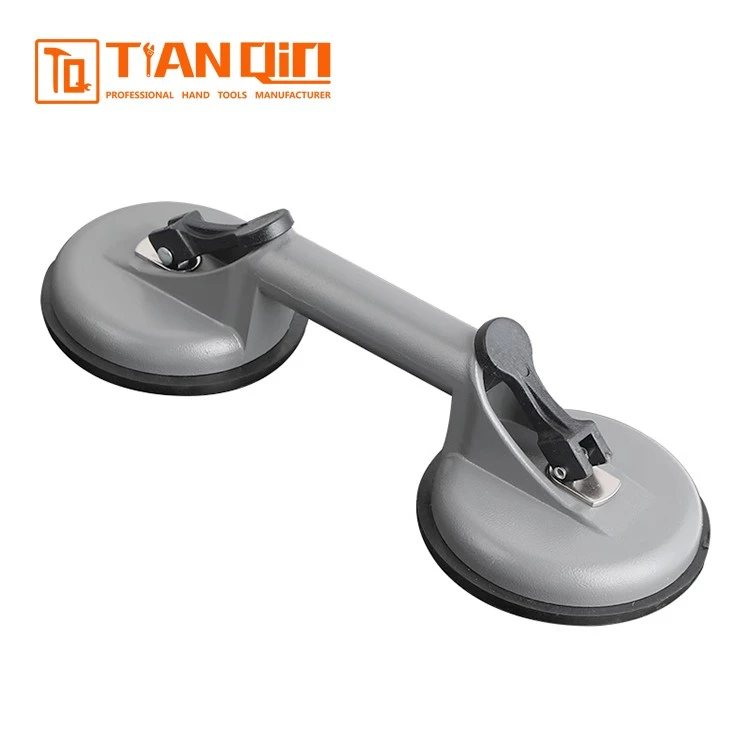
For example, Double-plate Sucker can be used to secure shelves inside a refrigerator, ensuring that they stay in place even when the temperature drops.
Outdoor Equipment
Outdoor equipment used in cold climates, such as snowmobiles, skis, or ice fishing gear, may also benefit from the use of suction cups. These cups can be used to attach accessories, such as lights, holders, or signage, to the equipment.
When selecting suction cups for outdoor applications, it is important to choose materials that can withstand the harsh environmental conditions, including extreme cold and exposure to moisture. Our 3 Claws Suction Cups are designed to provide reliable adhesion in challenging outdoor environments.
Conclusion
In conclusion, the suitability of suction cups for low-temperature environments depends on the material of the cup and the specific temperature range. While rubber suction cups may not perform well in extreme cold, silicone and certain types of plastic suction cups can maintain their flexibility and adhesion in low temperatures.
When using suction cups in low-temperature environments, it is important to consider the surface conditions, installation force, and maintenance requirements. By choosing the right material and following proper installation and maintenance procedures, suction cups can be a reliable solution for a variety of applications in cold climates.
If you are interested in purchasing suction cups for low-temperature applications, please feel free to contact us. Our team of experts can provide you with detailed information and help you select the most suitable products for your needs. We look forward to discussing your requirements and assisting you in finding the perfect suction cup solutions.
References
- "The Effects of Temperature on Rubber Properties." Rubber Manufacturers Association.
- "Silicone Materials: Properties and Applications." Dow Corning Corporation.
- "Plastic Materials for Low-Temperature Use." Society of Plastics Engineers.